Health and Safety Policy for Man With Van Little Ilford
 This Health and Safety Policy sets out the standards followed by Man With Van Little Ilford to help protect clients, staff, goods, and the public during every stage of a removal, delivery, or transport job. Our approach is built on prevention, careful planning, and consistent safe working practices. We aim to reduce risk by identifying hazards early, using suitable equipment, and making sure everyone involved understands their responsibilities.
The purpose of this policy is to create a safe working environment where manual handling, loading, driving, and unloading are carried out with care. We recognise that moving furniture, boxes, and other items can involve physical strain, trip hazards, and vehicle-related risks. For that reason, man with van safety is treated as a core part of daily operations rather than an optional extra.
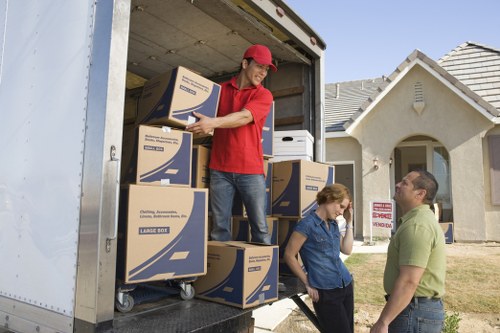 We also expect all work to be performed in a way that protects property and limits disruption. Whether carrying out a single-item move or a larger collection of goods, our team follows clear safety standards that support reliable and responsible service. This includes careful route planning, safe lifting techniques, and respect for the spaces we enter.
Our Safety Principles
Health and safety responsibilities apply to everyone involved in the job. Management provides training, equipment checks, and clear instructions, while workers are expected to act carefully and report concerns quickly. A strong little ilford man with van service depends on teamwork, awareness, and practical judgement at every stage of the task.
We assess each job in advance to identify potential hazards such as narrow access points, uneven floors, poor lighting, slippery surfaces, or heavy items that may need extra support. When a risk is identified, we take suitable control measures before work begins. This may include using additional lifting aids, adjusting the loading order, or asking for help with difficult items.
 All vehicles used for work are maintained in a safe and roadworthy condition. Daily checks help ensure tyres, lights, mirrors, brakes, and load security systems are working correctly. Loads are arranged to prevent shifting during transit, and weight is distributed to support stable handling. These measures reduce the chance of accidents and help protect the goods being carried.
Safe Working Practices
Manual handling is one of the main areas of focus in our policy. Staff are trained to lift with proper posture, keep loads close to the body, avoid twisting, and use team lifting where necessary. If an item is too heavy, awkward, or unstable, it will not be moved without the right support. We also encourage the use of trolleys, straps, blankets, and other equipment where appropriate.
Personal safety is equally important. Workers should wear suitable clothing and footwear that provide grip and allow safe movement. Loose items that may catch on furniture or equipment should be avoided. In addition, all team members are expected to stay alert and avoid rushing, especially when working in busy environments or carrying items through shared access areas.
Fire safety, electrical awareness, and basic site precautions are also taken seriously. Staff must not block exits, damage cables, or place goods in areas where they may create a hazard. If work involves items with special handling needs, such as appliances or fragile goods, extra care is taken to prevent injury and damage. Our van moving safety standards support safe operations from collection to delivery.
Risk Management and Reporting
The company reviews working practices regularly to keep standards up to date. If an incident, near miss, or unsafe condition occurs, it is reported and reviewed so improvements can be made. This helps us learn from experience and strengthen the overall health and safety policy. We believe that consistent reporting is essential for preventing repeat problems and maintaining trust in our service.
First aid awareness is part of our approach, and staff are expected to know how to respond appropriately if someone is injured or feels unwell. In the event of an emergency, work will stop, the area will be made safe where possible, and the correct response will be followed. No job is so urgent that it justifies unsafe behaviour.
We also recognise that weather, traffic, and site conditions can affect safety. Rain, ice, poor visibility, or congested access routes may increase the risk of slips, collisions, or delays. When conditions are unsafe, work may be postponed or adjusted. This careful judgement is part of what makes man and van safety effective and dependable.
Responsibilities and Commitment
Everyone working for or on behalf of the company must cooperate with health and safety rules. Managers are responsible for providing direction and monitoring performance, while workers must follow instructions and use equipment correctly. Clients and property occupiers are also asked to support safe access and provide accurate information about any known risks before work begins.
 We are committed to continuous improvement in all areas of safety. This includes reviewing training needs, updating procedures, and maintaining a culture where concerns can be raised without delay. By encouraging clear communication and careful preparation, we help ensure that each move is completed in a safe, professional, and organised way.
Policy Review
This policy is reviewed periodically to make sure it remains relevant, practical, and effective. Changes in working methods, equipment, or risk levels may lead to updates. Our aim is to maintain a safe man with van service that protects people, property, and vehicles while supporting efficient and responsible transport work.
 In summary, health and safety is central to how Man With Van Little Ilford operates. Through careful planning, safe lifting, proper vehicle checks, and clear responsibilities, we work to reduce risk and promote confidence in every job. This policy reflects our commitment to safe, consistent, and professional service at all times.