Redbridge Council parking permits for Ilford removals: a practical guide for a smoother moving day
If you are planning a move in Ilford, parking is rarely just a small detail. It can be the thing that decides whether the day feels calm or chaotic. Redbridge Council parking permits for Ilford removals are there to help you manage that part properly, so the van can park close enough to the property without creating unnecessary stress, delay, or a grumpy neighbour peering through the curtains at 8am. That sounds a bit dramatic, but anyone who has moved in London will know the feeling.
This guide explains what these permits are, why they matter, how they usually fit into a moving-day plan, and what to check before your removals team arrives. It also covers common mistakes, compliance points, and the practical steps that help a house move or office move go to plan. If you want the bigger picture on the moving side too, you may find it useful to look at removal services and home moves as part of your preparation.
Contents
- Why Redbridge Council parking permits for Ilford removals Matters
- How Redbridge Council parking permits for Ilford removals Works
- Key Benefits and Practical Advantages
- Who This Is For and When It Makes Sense
- Step-by-Step Guidance
- Expert Tips for Better Results
- Common Mistakes to Avoid
- Tools, Resources and Recommendations
- Law, Compliance, Standards, or Best Practice
- Options, Methods, or Comparison Table
- Case Study or Real-World Example
- Practical Checklist
- Conclusion
- Frequently Asked Questions
Why Redbridge Council parking permits for Ilford removals Matters
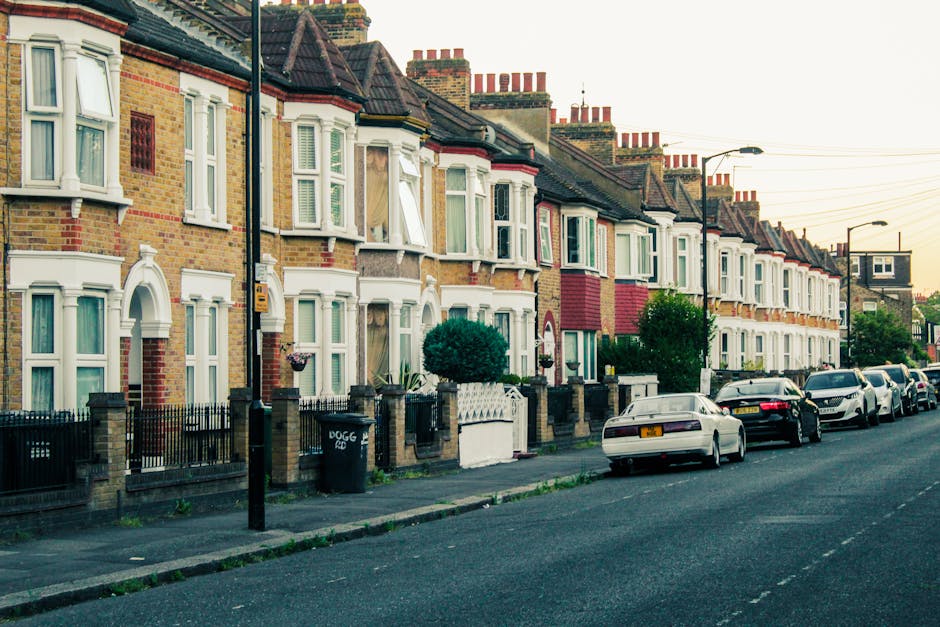
Parking controls can make a moving day succeed or fail before the first box is even lifted. In busy parts of Ilford, streets can be narrow, bays fill quickly, and a van parked too far away turns a straightforward move into a long carry with more lifting, more time, and more risk of damage. That is especially true for flats, terraced streets, and shared access roads where there is already very little room to work.
A permit or parking arrangement is not just about avoiding a fine. It is about creating a workable loading point near the property. The closer the van can get, the less likely it is that furniture gets bumped on kerbs, wet pavements, or stairwells. It also helps the crew move efficiently, which matters if you have a booked lift slot, a tight completion time, or a carefully planned handover. Truth be told, the actual lifting is often the easy part; the parking is the bit that causes the headaches.
There is also the neighbour factor. Few things create avoidable tension faster than a removal van blocking a lane with hazard lights flashing while someone is trying to get to work. A sensible parking plan keeps things courteous as well as efficient. That small bit of planning can smooth the tone of the whole day.
Expert summary: For Ilford removals, parking is not a side issue. It is part of the move itself. If you handle the parking early, the rest of the day usually feels easier, calmer, and less expensive in practical terms.
How Redbridge Council parking permits for Ilford removals Works
The exact process can vary depending on street restrictions, bay layouts, and whether you need a temporary suspension, a loading exemption, or some other parking arrangement. Because local requirements can change, the safest approach is to treat the council process as something to confirm early rather than leave until the day before. That way you are not scrambling for a last-minute fix while your boxes are already stacked by the door.
In simple terms, the idea is this: if a removal van needs to park in a controlled or restricted space, there may be a formal way to ask for permission, or at least a way to avoid accidental non-compliance. Some moves only need brief loading access. Others need a reserved bay or additional time in a controlled street. The key is to match the permit or parking arrangement to the way the move will actually happen.
For example, if you are moving from a first-floor flat with a long staircase and a lift that keeps closing on its own, you will likely want the van as close as possible. If you are relocating an office with heavy desks and filing cabinets, a bit of extra loading space can make a huge difference. That is where a well-planned parking arrangement earns its keep.
You should also think about the vehicle itself. A small van, a man with a van setup, and a larger moving van may all need slightly different space to load safely. It sounds obvious, but people often forget that one-size-fits-all does not really apply to parking on a busy London street.
Key Benefits and Practical Advantages
There are some very real benefits to sorting parking properly before a move in Ilford. Some are obvious. Others only become obvious after you have lived through a difficult moving day, which is the wrong time to learn the lesson, honestly.
- Shorter carrying distance: the closer the van is to the entrance, the less time is spent walking boxes and furniture up and down the street.
- Lower risk of damage: fewer steps, fewer tight corners, and fewer chances to knock something on the way out.
- Better time control: your removals team can keep the move moving instead of wasting time finding a legal place to stop.
- Less stress for the household: a straightforward parking setup reduces confusion when everyone is tired and there is a lot happening.
- Better neighbour relations: less obstruction usually means fewer complaints and a smoother atmosphere.
- Safer handling: loading near the property lowers the physical strain on movers and makes awkward items easier to manage.
There is a knock-on effect here as well. If parking is sorted, the rest of the move often feels more professional. You will notice people are less rushed, the loading order makes more sense, and there is a bit more headspace for the small problems that always crop up, because there is always one. A boxed lamp, a missing screw bag, a kettle still in the cupboard... moving day keeps its little jokes.
Who This Is For and When It Makes Sense
Redbridge Council parking permits for Ilford removals make the most sense for anyone moving from or to a location where parking is controlled, limited, or awkward. That includes many local residents, but also landlords, letting agents, office managers, and business owners arranging commercial relocations.
You are especially likely to need this kind of planning if:
- you live on a road with parking bays, permits, or time restrictions;
- you are moving from a flat with no private driveway;
- the property sits on a narrow street with limited stopping space;
- your removal vehicle is larger than a standard car;
- you have bulky items such as wardrobes, sofas, or office furniture;
- there is a strict moving window due to building access, lease terms, or completion timing.
It also makes sense if you are booking a specialist team such as man and van, house removals, or office removals. These services are often efficient, but only if the parking setup matches the job. A good mover can do a lot with limited space; they cannot bend the road wider.
Step-by-Step Guidance
Here is a practical way to approach it without turning the whole thing into admin soup.
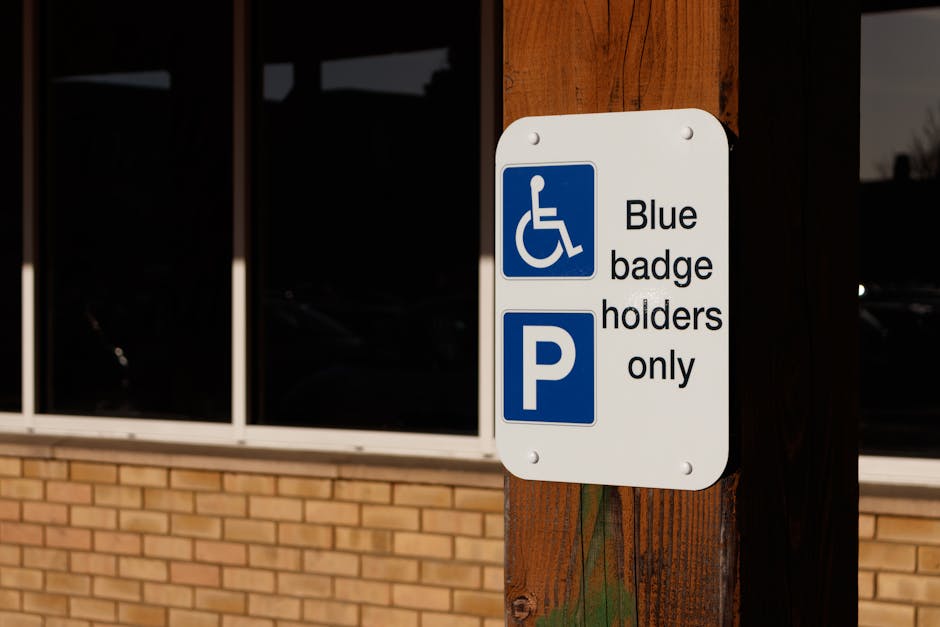
- Check your street first. Look at whether there are resident bays, pay-and-display bays, yellow lines, loading restrictions, or timed limits. Take photos if it helps. In the daylight, small signs are easy to miss.
- Match the vehicle to the location. Think about whether a small van, standard moving van, or larger lorry-style vehicle will actually fit. If the road is tight, a smaller vehicle can sometimes save more time than a bigger one.
- Work out loading needs. Are you moving a few rooms, a whole household, or an office full of equipment? The more loading space you need, the more important proximity becomes.
- Confirm the local permit or parking option. If the move needs council involvement, start early. Do not leave this to the morning of the move. That way lies annoyance and a very caffeinated phone call.
- Tell your removals company what is happening. Share any restrictions, bay timings, or access issues. If you are using a trusted local team, they may already have experience with the area and can help you plan the approach.
- Prepare the property frontage. Keep the path clear, move recycling bins if possible, and make sure the loading route is not blocked by bicycles, plant pots, or the family shoe mountain by the door.
- Have a backup plan. If the nearest legal space is taken, decide in advance what the next option is. A little flexibility saves a lot of time.
If you want help understanding the wider moving process, it can be useful to compare the service options on removals near me or review the practical support available through packing and unpacking services. Not every move needs the same level of help, and that is fine.
Expert Tips for Better Results
After enough moving days, a few patterns become very clear. The best outcomes usually come from simple preparation, not elaborate planning.
- Book the parking solution before you finalise the move time. If the road only works at certain hours, let the schedule follow that reality.
- Use the smallest practical vehicle. A smaller van is often easier to place close to the property, especially in Ilford's tighter residential streets.
- Keep one person free to manage access. Someone should be watching the door, the route, and the parking situation rather than disappearing into a box room with a screwdriver.
- Label fragile items clearly. If a longer carry is unavoidable, the crew needs to know which boxes need the gentlest handling.
- Measure awkward furniture. Sofas, beds, wardrobes, and office desks are the pieces that create surprises. They are bigger than you remember.
- Think about wet weather. A wet pavement in London can make a short loading distance feel much longer. On a drizzly morning, even a good plan needs a bit more time.
One small but useful habit: take a few photos of the street once you arrive, including signage and the van position. It is not about making a formal record for drama's sake. It is simply handy if there is confusion later or you need to explain the setup to the removals office.
Common Mistakes to Avoid
This is where many moves go sideways, and usually for reasons that are completely avoidable. The good news? Most of them are easy to fix next time.
- Leaving parking planning too late. The classic one. People focus on packing and assume the road will somehow be fine.
- Assuming a van can just stop anywhere for a few minutes. That can work in some places, but in controlled streets it is risky and sometimes costly.
- Not checking bay hours or loading rules. A space that looks free may still be restricted at the exact time you need it.
- Choosing a vehicle that is too large. Bigger is not always better. Sometimes it just means more manoeuvring and more frustration.
- Forgetting neighbours or access gates. Shared entrances, coded doors, and narrow communal drives can all affect where the vehicle can go.
- Not telling the movers about restrictions. If the team only learns about the access issue on arrival, everyone loses time.
And to be fair, people forget because moving is tiring. There is paperwork, boxes, utilities, keys, school runs, and all the rest of it. Parking can become a blind spot. That is exactly why it deserves its own plan.
Tools, Resources and Recommendations
You do not need a huge toolkit here, just a sensible set of basics and a bit of organisation.
- Street photos: helpful for spotting bay signs, kerb markings, and potential loading points.
- Measurements: width of the van, height of furniture, and the available space outside the property.
- Move timeline: a simple note of when keys are collected, when movers arrive, and when loading should begin.
- Property contact details: especially useful if access is shared, gated, or managed by a concierge.
- Service comparison: if you are deciding between a full house move and a lighter man with van removal option, parking convenience may influence the choice.
If you are trying to keep the move within budget, the page on pricing and quotes is a sensible place to start. Clear parking access can reduce wasted time, which is one of those hidden costs people only notice after the fact. Another useful background page is insurance and safety, because loading plans and safe access go hand in hand.
Law, Compliance, Standards, or Best Practice
Parking in London is not something to improvise. Controlled parking zones, loading restrictions, permit bays, and temporary suspensions all exist for a reason, and local enforcement is usually not very interested in excuses like "we were only there for a minute." Best practice is to treat the road outside the property as part of the move plan and not just a convenient patch of asphalt.
From a practical standpoint, the main compliance points are simple: obey the signs, understand the loading rules, and make sure any parking arrangement is genuinely suitable for the vehicle and the time window. If you are unsure whether a loading stop is allowed, do not assume. Check before the van arrives. That cautious approach saves money and keeps the move cleaner from a risk point of view.
For businesses and landlords, there is an added duty to avoid disruptions to neighbouring properties and shared access routes. That is especially relevant in mixed-use buildings, converted houses, and office blocks where one poorly placed vehicle can create a domino effect. No one wants that on a Monday morning.
If your move involves commercial premises, you may also want to review commercial moves and plan the loading sequence carefully. Office furniture, IT kit, and archive boxes all behave differently on the day. Some are heavy, some are delicate, and some seem determined to slide at the worst moment.
Options, Methods, or Comparison Table
There is more than one way to approach parking for a removal in Ilford. The right option depends on the street, the size of the vehicle, and how much loading time you need.
| Option | Best for | Pros | Limitations |
|---|---|---|---|
| Simple loading in an allowed bay | Shorter moves or lighter loads | Quick, low admin, often enough for smaller jobs | May not be suitable in busy streets or if the bay is often occupied |
| Temporary parking arrangement or permit | Moves needing reliable close access | Better control, easier loading, less distance to carry | Needs early planning and may depend on local rules |
| Smaller vehicle with flexible stopping | Narrow roads and limited access | Easier manoeuvring, often simpler in dense residential areas | May require more trips if the load is large |
| Larger removal vehicle | Big house moves or office relocations | Higher capacity, fewer runs in some cases | Harder to park close to the property |
In real life, the best choice is often not the biggest vehicle or the most formal permit. It is the option that lets the removal team work safely and legally with the least friction. A smooth job is usually the one that looks boring from the street. That is a compliment, by the way.
Case Study or Real-World Example
A typical Ilford scenario might look like this: a couple moving from a two-bedroom flat on a street with resident bays and a busy morning traffic pattern. They have a sofa, a bed frame, several boxes of books, and a fridge freezer that they absolutely underestimated when they ordered it online three years ago.
At first, they assume the removal van can stop outside the building for just long enough to load. Then they check the street and realise the bay restrictions are not in their favour, and there is no private driveway. Rather than gamble on a last-minute stop, they plan ahead. They choose a vehicle size that fits the road better, organise the parking properly, and keep the loading route clear from the front door to the van.
The result is simple. The move starts on time, the crew is not dragging furniture half a block, and the whole process feels less frantic. There is still the usual moving-day noise: tape ripping, a stair squeak, someone asking where the kettle went. But the parking piece is handled, and that changes everything. It turns the day from "managed chaos" into something a lot more controlled.
That same logic applies to office moves too, especially where desks, chairs, printers, and file storage are involved. If the van can sit close to the entrance for a safe loading period, the whole relocation gets easier. For a fuller service picture, have a look at office relocation services and movers.
Practical Checklist
Use this before the removals team arrives. It keeps the day grounded.
- Confirm the exact moving date and arrival time.
- Check whether the street has permits, loading restrictions, or time-limited bays.
- Decide whether the vehicle needs to park directly outside or simply nearby.
- Measure any bulky items that may affect van size.
- Tell the mover about stairs, lifts, access codes, or gates.
- Keep the entrance, hallway, and pavement area clear.
- Prepare parking alternatives if the nearest space is taken.
- Have keys, paperwork, and contact numbers ready.
- Review your booking terms and safety details if needed.
- Leave a bit of breathing room in the schedule. Not too much, just enough.
If you want to double-check the company side of things too, the pages on about us, terms and conditions, and health and safety policy can be useful background reading before you book. It is the kind of admin that saves you from annoying surprises later.
Conclusion
Redbridge Council parking permits for Ilford removals are really about one thing: making your move work in the real world. Not the ideal version where the road is empty, the lift behaves, and the weather is polite. The actual world, with traffic, tight streets, and a pile of boxes that somehow multiplied overnight.
If you plan parking early, match the vehicle to the street, and keep your removals team informed, you give yourself a much better chance of a smooth move. That is true whether you are shifting a few rooms, an entire family home, or a business premises. The parking may be the least glamorous part of the job, but it often has the biggest effect.
Get a free quote today and see how much you can save.
And if the day still feels a bit overwhelming, that is normal. A good move is rarely perfect, but it can be calm, sensible, and surprisingly manageable. That is usually enough.
Frequently Asked Questions
Do I always need Redbridge Council parking permits for Ilford removals?
Not always. It depends on the street, bay restrictions, loading rules, and the size of the vehicle. If there is unrestricted access or private parking, you may not need a permit at all. But in many Ilford streets, it is worth checking early rather than assuming.
How far in advance should I sort the parking for a move?
As early as you can. The practical answer is before the move date is fixed, or at least as soon as the removal time is known. Parking issues often affect the schedule, so it is better to work backwards from the road conditions.
Can a removals van just stop outside for loading?
Sometimes, yes. Sometimes, absolutely not. It depends on local signs and the time of day. A quick stop that seems harmless can still be a problem if the road has active restrictions.
What happens if the van cannot park close to the property?
The move can still happen, but it may take longer and involve more carrying distance. That increases the chance of delay, extra fatigue, and occasional damage. It is not ideal, but it is workable with the right planning.
Is a smaller van better for Ilford removals?
Often it is, especially on narrow residential roads. A smaller van can be easier to position legally and safely. The trade-off is capacity, so the right choice depends on how much you are moving.
Do office moves need the same parking planning as house moves?
Yes, and sometimes more so. Office relocations often involve larger furniture, IT equipment, and tighter time windows. Parking close to the entrance can make a big difference to the whole day.
Will parking problems make my removal more expensive?
They can. If the team has to walk items further, wait for space, or spend extra time repositioning the vehicle, the job may take longer. That is one reason parking planning is so useful.
What should I tell my removals company about parking?
Share any road restrictions, bay timings, access codes, height limits, or narrow points on the street. The more they know upfront, the easier it is to plan the vehicle size and arrival approach.
Are parking permits different for flats and houses?
They can be. Flats often have shared access, managed entrances, or tighter street parking, while houses may have more direct frontage. The key issue is not the property type alone, but how the vehicle will actually load.
Can I handle the parking myself on moving day?
Yes, if the rules allow it and you are confident about the street layout. Many people do. Just make sure you know the restrictions well enough that you are not relying on guesswork when the van arrives.
What is the best way to reduce parking stress on moving day?
Check the street early, choose the right vehicle, and keep the removals team informed. Those three things solve most of the hassle. It is not glamorous, but it works.
Should I book packing help as well as parking planning?
If your move is large or time-sensitive, yes, it can be worthwhile. Services such as packing and unpacking services can save time and help the loading process run more cleanly. Less scrambling, fewer missing bits, better flow. That is the idea, anyway.
Where can I check more about the company before booking?
You can review the site's service pages such as removal company and removal services, along with the policy pages if you want more detail on how bookings and safety are handled. It helps to know who you are working with before the boxes start moving.