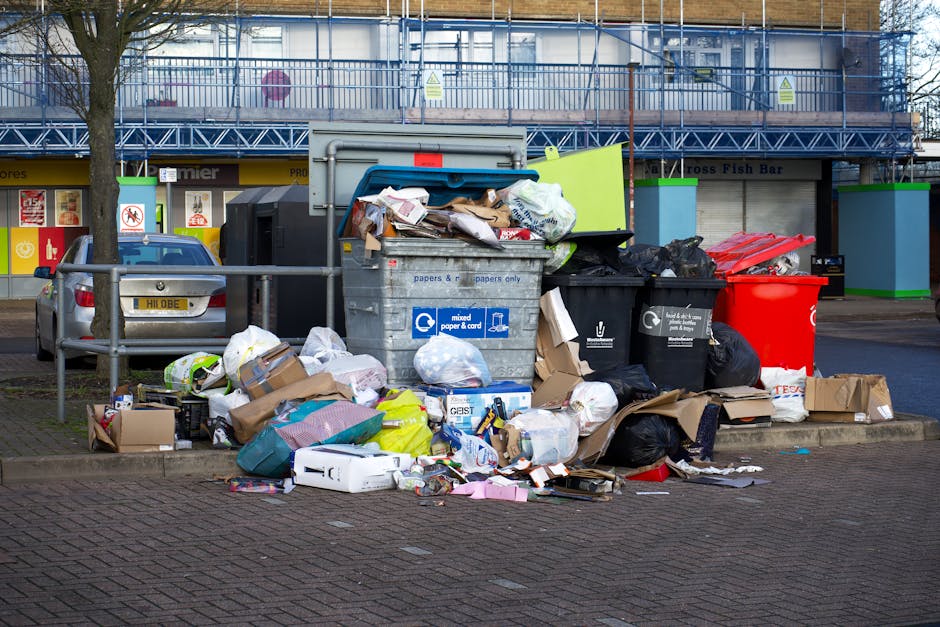
Ilford bulky waste and removals rules Redbridge Council: a practical guide for households and businesses
If you are trying to clear a sofa, mattress, wardrobe, broken white goods, or a full room's worth of clutter, the rules around Ilford bulky waste and removals rules Redbridge Council can feel a bit more awkward than they should. One minute you are sorting the loft, the next you are wondering what counts as bulky waste, what needs separating, and whether you are allowed to put it out with ordinary refuse. Fair question, really.
This guide breaks the process down in plain English. You will find out how bulky items are usually handled in Redbridge, what to check before booking a removal, what mistakes commonly lead to delays or extra hassle, and how to choose the simplest compliant option for your situation. If you just want the job done without a headache, you are in the right place.
Table of Contents
- Why Ilford bulky waste and removals rules Redbridge Council Matters
- How Ilford bulky waste and removals rules Redbridge Council Works
- Key Benefits and Practical Advantages
- Who This Is For and When It Makes Sense
- Step-by-Step Guidance
- Expert Tips for Better Results
- Common Mistakes to Avoid
- Tools, Resources and Recommendations
- Law, Compliance, Standards, or Best Practice
- Options, Methods, or Comparison Table
- Case Study or Real-World Example
- Practical Checklist
- Conclusion
- Frequently Asked Questions
Why Ilford bulky waste and removals rules Redbridge Council Matters
Bulky waste rules matter because large household items are not treated the same way as everyday rubbish. A mattress, fridge freezer, old bed frame, or dismantled wardrobe can be awkward to move, and it may also need separate handling depending on its material, size, or condition. If you ignore the local process, the result can be missed collections, fly-tipping risk, or a last-minute scramble to find another solution.
In Ilford, the key point is simple: bulky waste is usually something you should plan for rather than improvise. That applies whether you are clearing one item after a move or emptying a whole property after years of build-up. Let's face it, very few people keep a spare van parked outside "just in case".
There is also a neighbourhood impact. A sofa left on the pavement too long can become an obstruction, attract complaints, or create a poor look for the street. On a busy road, especially near flats or terraced homes, good timing and tidy placement matter more than people realise.
Expert summary: If you are dealing with bulky waste in Ilford, the safest approach is to confirm what the local collection rules require, separate anything that cannot go together, and choose a removal method that matches the item type, access, and timing. That sounds obvious, but it saves a lot of mess later.
If you are also moving house or clearing multiple rooms, it may help to look at broader support such as removals, man and van removals, or furniture pick up so you can combine transport and disposal more efficiently.
How Ilford bulky waste and removals rules Redbridge Council Works
At a practical level, bulky waste handling usually comes down to three questions: what the item is, who is taking it away, and where it ends up. Redbridge residents often have a few options, but the correct one depends on the size of the item, whether it is reusable, and whether it contains anything hazardous.
Typical bulky items people need to remove
- Sofas, armchairs, and sofa beds
- Mattresses and bed frames
- Wardrobes, chest of drawers, and desks
- Fridges, freezers, and washing machines
- Carpets, underlay, and awkward flat-pack waste
- Garden furniture and large storage items
Some things are simple enough. Others are not. A broken table, for example, might be accepted as bulky waste if it is just timber and fittings. But a fridge freezer is a different beast entirely because of the electrical components and gases involved. That is why checking the item category matters before booking anything.
What usually affects the process
While exact procedures can change, the main factors are usually familiar:
- Item type: furniture, electricals, appliances, or mixed waste may be handled differently.
- Condition: reusable items may be better passed on than removed as waste.
- Access: narrow staircases, controlled entry, parking restrictions, and upper floors all affect collection logistics.
- Quantity: one sofa is easier than a full flat clearance.
- Sorting: some items need to be separated before collection.
That is the bit people overlook. They think the main challenge is the lifting, but often it is the logistics. Can the van stop close enough? Is the item already downstairs? Is it dry, clean, and ready? Those little details decide whether the job feels quick or turns into a half-day muddle.
How to think about bulky waste versus a full removal
Bulky waste collection is usually best when you have a few large items and want a straightforward disposal route. A removal service is often the better fit when you are moving multiple heavy items, clearing a house, or dealing with awkward access. If you need labour plus transport, a proper removals team can be more efficient than trying to make several separate disposal trips.
| Situation | Best fit | Why |
|---|---|---|
| One mattress and a chair | Bulky waste collection | Simple, limited volume, easy to plan |
| Two rooms of furniture | Removal service | Requires lifting, loading, and route planning |
| Mixed household clear-out | Combination approach | Some items may be reusable, others need disposal |
| End of tenancy with furniture | Removal or clearance | Fast turnaround matters and access is often tight |
Key Benefits and Practical Advantages
When you handle bulky waste properly, the benefits are not just administrative. You save time, reduce stress, and avoid that slightly embarrassing "where do we put this now?" moment when a large item has been dragged halfway out of the house and nobody has a plan.
- Cleaner access: Stairs, hallways, and entrances are left clear.
- Less risk of damage: Heavy items are moved with the right equipment and lifting technique.
- Less stress: You are not improvising a disposal plan on the day.
- Better compliance: You avoid leaving items out in a way that could cause issues.
- More efficient clearances: A good plan can save multiple trips.
There is also a sustainability angle. Reuse, donation, and recycling are often better outcomes than sending everything straight for disposal. A lot of furniture still has life left in it, even if it no longer suits your home. One person's dated cupboard is another person's perfectly serviceable storage problem. Funny old world.
If sustainability matters to you, it is worth checking a provider's approach to recycling and sustainability alongside removal planning. It is a small step, but it often shapes the most sensible route.
Who This Is For and When It Makes Sense
This guide is useful if you live in a flat, maisonette, terrace, or house in Ilford and need large items removed without making a mess of the week. It is also relevant for landlords, letting agents, small businesses, and anyone managing a property turn-around.
Common situations where bulky waste rules matter
- Moving home: you want to leave behind only what is allowed and avoid last-minute chaos.
- End of tenancy: there may be old furniture, broken items, or leftover appliances.
- Decluttering: lofts, garages, spare rooms, and sheds often hide more than expected.
- Bereavement clearances: these are often emotional and need a careful, orderly approach.
- Office or workspace changes: desks, chairs, filing cabinets, and shelving can be awkward.
For larger property moves, services such as home moves, house removals, or office removals can help when the job is more than simple disposal. That is especially true if you need both carrying and loading, not just a collection slot.
Truth be told, the biggest mistake is assuming all bulky waste is the same. It really isn't. A clean sofa, a cracked wardrobe, and a fridge with electrical parts each need slightly different thinking. Small distinctions. Big difference.
Step-by-Step Guidance
If you want a tidy outcome without guessing, follow a simple sequence. You do not need a grand plan. You just need a sensible one.
1. Sort the items first
Walk through the property and separate everything into clear groups:
- keep
- donate or reuse
- bulky waste
- electrical items
- mixed or uncertain items
When the room is full, it helps to tackle one corner at a time. The sound of dragging boxes can quickly become a bit much, so keep it orderly and slow.
2. Identify anything that needs special handling
Check for fridges, freezers, paint, cleaning chemicals, batteries, gas items, or anything leaking. These are not the kind of things you want lumped in with ordinary furniture. If you are unsure, stop and verify rather than guessing.
3. Measure access, not just the item
The item may fit through the front door, but can it turn on the landing? Is there parking close by? Is there a lift? Is the staircase awkward? Access determines how simple the job will be.
4. Decide whether bulky collection or removals make more sense
If you have a few straightforward pieces, a bulky collection route may work. If you have multiple items, awkward lifting, or a deadline, a removals team may be the better call. There is no prize for making it harder than it needs to be.
5. Prepare the items properly
Remove contents, empty drawers, defrost freezers in advance if required, detach loose parts, and make items safe to move. Tie cables. Tape doors. Small prep jobs save a lot of grumbling later.
6. Confirm timing and collection day logistics
Have the items ready at the agreed time, with a clear route to them. If neighbours share access, give a heads-up where appropriate. This is basic courtesy, but it goes a long way.
7. Keep proof of what was removed
For landlords and businesses, keep a short record or photo log of what went out, especially if the clearance forms part of a tenancy handover or office move. It avoids confusion later. Simple, boring, useful.
Expert Tips for Better Results
After many removals and clear-outs, a few habits stand out. They seem small on paper, but they make the day smoother.
- Group items by destination: reuse, recycling, disposal, and storage should not be mixed together.
- Disassemble where sensible: a wardrobe in pieces is much easier than a wardrobe in one stubborn lump.
- Protect floors and walls: especially in narrow hallways and older properties with tighter corners.
- Check the weather: rain can make outdoor staging messy, and wet cardboard is a nuisance.
- Plan for parking: even a few extra metres of carrying can matter.
- Be realistic about weight: one sofa may need two people, not one hopeful attempt and a sore back.
A small but useful tip: if you are dealing with several bulky items, line them up in the order they will be loaded. It sounds trivial. It is not. Order saves time, and time saves money, even when you are not watching the clock.
Also, if the property is cluttered, it often helps to start at the exit and work backwards. That way the path stays clear. You feel that difference straight away.
Common Mistakes to Avoid
Most bulky waste headaches come from a handful of avoidable errors. The good news? They are easy to spot once you know what to look for.
- Leaving it too late: last-minute bookings create stress and limited choice.
- Mixing waste types: furniture, electricals, and hazardous items may need different handling.
- Not checking access: the smallest stairwell can become the biggest problem.
- Forgetting to empty items: drawers, cupboards, and hidden compartments add weight and delays.
- Putting items out incorrectly: if you have been given collection instructions, follow them carefully.
- Assuming reuse is impossible: some items are better passed on than thrown away.
One of the most common slips is underestimating how long a property clear-out takes. You think "an hour or two," then you find a broken bed base, three old suitcases, a sideboard with no handles, and some mysterious cable. The house starts telling its own story, basically.
Tools, Resources and Recommendations
You do not need specialist equipment for every job, but the right basic kit helps a lot. Think practical, not fancy.
Useful tools for bulky waste prep
- work gloves
- strong bin bags for small loose waste
- tape and labels
- screwdriver or basic tool kit for disassembly
- measuring tape for access checks
- protective blankets or floor covers
- straps or rope for securing parts
If you are booking support, it is worth comparing service details carefully. Not all removals firms handle the same mix of transport, lifting, and disposal, and not all are equally suited to cramped streets or upper-floor flats. Pages such as man with van, removal company, and removal services can be useful starting points when you want to understand the service type before booking.
For pricing transparency, look for clear information on what is included. If you need to compare options, the pricing and quotes page is a sensible place to start. It helps you avoid assumptions, and assumptions are where surprise costs like to hide.
Law, Compliance, Standards, or Best Practice
For bulky waste, the important point is not to treat all waste as if it can be handled in the same way. In the UK, households, landlords, and businesses all have duties to dispose of waste responsibly, and local expectations usually reflect that. The safest approach is to keep items out of the street unless they are being collected according to the agreed process, and to separate anything that needs special care.
Best practice usually means:
- using a lawful collection route
- checking whether items are reusable, recyclable, or disposal-only
- keeping hazardous materials separate
- using competent movers for heavy or awkward items
- avoiding fly-tipping or abandoned waste
If you are dealing with employees, tenants, or commercial premises, record-keeping matters too. A simple note of what was removed, when, and by whom can make life much easier if questions arise later. Not glamorous, but very useful.
Health and safety is part of this as well. Large items can injure backs, damage walls, and block exits if handled badly. A provider with a clear approach to health and safety policy and insurance and safety is generally a better fit for anything heavy, expensive, or awkward.
For businesses or landlords, it may also be worth checking service terms and payment arrangements before you confirm. A quick read of terms and conditions and payment and security keeps things clear. No one enjoys a misunderstanding after the furniture has already been lifted downstairs.
Options, Methods, or Comparison Table
There is no single best method for every bulky waste job. The right choice depends on volume, speed, access, and whether you want to reuse anything. Here is a simple comparison.
| Option | Best for | Strengths | Limitations |
|---|---|---|---|
| Bulky waste collection | One-off large items | Simple, convenient, often straightforward | May need items prepared a certain way |
| Man and van removal | Small to medium loads | Flexible, helpful for mixed items and access issues | Not always ideal for very large clearances |
| Full removal service | House moves or full clear-outs | Covers labour, loading, and transport | Usually more involved to arrange |
| Reuse or donation route | Good-condition furniture | More sustainable, reduces waste | Only works if items are suitable |
In practice, many people use a blend. A decent sofa might be moved by a removal team, while a broken chair and old shelf go separately. That mixed approach is often the neatest one, and a lot less stressful than pretending every item belongs in the same pile.
Case Study or Real-World Example
A typical Ilford scenario goes like this. A family is moving out of a first-floor flat near a busy road. They have a sofa bed, two wardrobes, a washing machine, and a handful of smaller items. At first, they think they can manage it in one afternoon with a borrowed car and a lot of optimism.
Once they measure the stairwell and look at parking, the plan changes. The wardrobes need disassembly, the washing machine needs safe handling, and the sofa bed is too awkward to drag alone. They separate what can be reused, put aside the items that need removal, and arrange a service that can handle the lift, loading, and transport in one visit.
The difference is noticeable. Instead of a late-night scramble and a hallway full of half-moved furniture, the flat is cleared in an orderly way. The floor stays intact, the neighbours are not blocked, and the move stays on schedule. Nothing dramatic. Just a clean, sane process.
That is usually the real win with bulky waste and removals: fewer surprises. And fewer surprises are underrated.
Practical Checklist
Use this quick checklist before your bulky waste or removal booking.
- List every item that needs removing.
- Separate reusable items from waste.
- Identify electricals, appliances, and anything hazardous.
- Measure doorways, staircases, and parking access.
- Empty drawers, cupboards, and hidden storage spaces.
- Disassemble furniture if it will make the job easier.
- Protect floors, walls, and corners where needed.
- Confirm the agreed collection or removal time.
- Keep any required paperwork or records.
- Check that the route to the exit is clear.
Quick takeaway: if you prepare the items properly, half the job is already done. The rest is just good timing and sensible handling.
Conclusion
Dealing with Ilford bulky waste and removals rules Redbridge Council is much easier once you treat it as a planning task rather than a last-minute clean-up. Know what you have, separate it properly, think about access, and choose the right removal method for the job. That small bit of preparation can save time, reduce cost, and make the whole thing feel far less painful.
If you are moving, clearing out, or simply trying to get your home back under control, the best next step is usually the simplest one: compare your options, check the access, and arrange the right support before the pile becomes a problem. Small jobs stay small that way. Big jobs, too, with a bit of luck.
Get a free quote today and see how much you can save.
And if you are still staring at a room full of furniture wondering where to start, start with one item. Then another. It does get easier.
Frequently Asked Questions
What counts as bulky waste in Ilford?
Bulky waste usually means large household items that do not fit in normal bins, such as sofas, mattresses, wardrobes, and appliances. The exact handling can depend on the item type and condition, so it is worth checking before you book removal.
Can I leave bulky items on the pavement outside my home?
Not unless you have arranged collection in the proper way. Leaving items out without the right process can create problems, block the pavement, or lead to complaints. It is always better to follow the agreed collection instructions.
Do fridges and freezers need special handling?
Yes, they often do. Fridge freezers are not treated the same as ordinary furniture because they contain electrical components and refrigerant-related parts. They should be separated from standard bulky items and handled carefully.
Is it better to use a bulky waste collection or a removal service?
If you only have one or two items, a bulky waste solution may be enough. If you have multiple heavy items, awkward access, or a full property clear-out, a removal service is often the better choice because it covers lifting and transport as well.
Can reusable furniture be removed and recycled or donated?
Sometimes, yes. If the furniture is in decent condition, reuse or donation may be more suitable than disposal. It depends on the item, its condition, and whether it is safe and practical to pass on.
What should I do before a bulky item is collected?
Empty it, detach loose parts, and make sure it is ready to move. For example, remove drawers, tape loose doors, and defrost freezers in advance if needed. A few small prep steps save a lot of trouble later.
How do I know if an item is too heavy or awkward to move myself?
If it needs two people, special lifting, or careful manoeuvring around stairs and corners, it is probably best treated as a removal job rather than a solo lift. If you have any doubt, err on the side of caution.
Are landlords responsible for bulky waste left by tenants?
Responsibility can depend on the tenancy agreement and the circumstances of the clearance. In practice, landlords often end up arranging final removal after a tenant leaves, especially if the property must be turned around quickly.
How far in advance should I plan a bulky waste collection?
As early as you reasonably can. A little planning gives you time to sort items, measure access, and avoid rushed decisions. Rushed clear-outs are where things usually go sideways.
What if I have mixed waste, furniture, and electrical items?
Separate them before booking if possible. Mixed loads are more complex, and different item types may need different handling. Clear sorting makes the process smoother and helps avoid rejected items.
Can a man and van help with bulky waste in Ilford?
Yes, a man and van can be a practical option for small to medium loads, especially where access is awkward or you need help with lifting. If you need more than transport, look at a fuller removals option instead.
What is the safest way to clear bulky waste from a flat?
The safest way is to plan the route first, protect the property, disassemble items where sensible, and use proper lifting help for heavy pieces. Flats often have narrow turns and shared access, so care matters more than speed.